Understanding Trailer Tires
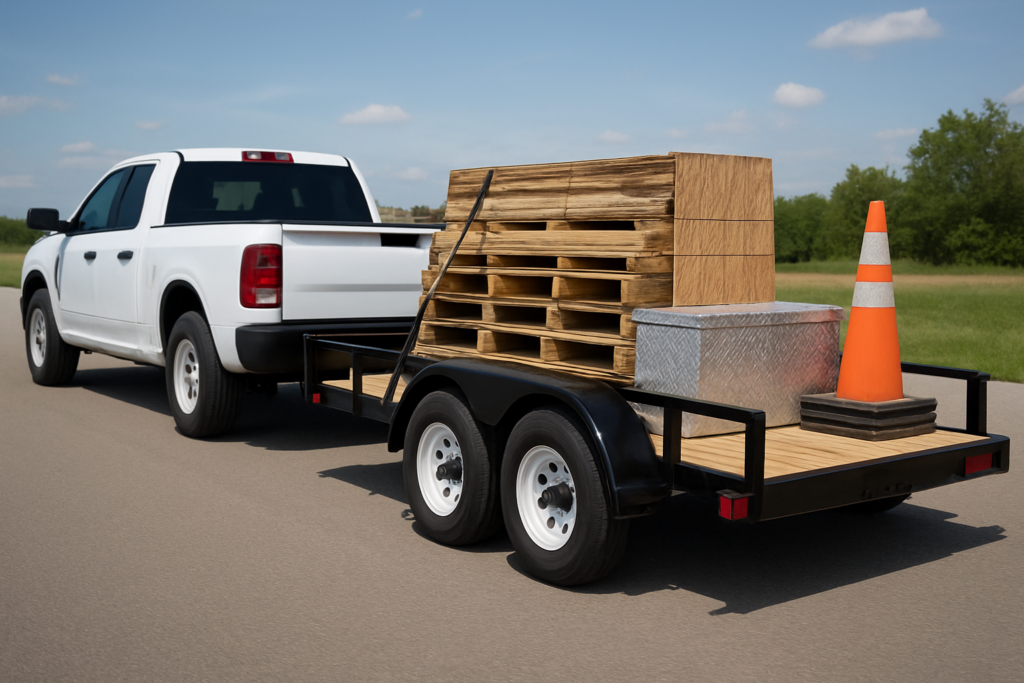
Tires are one of the most critical components of your trailer. Proper care and maintenance not only enhance performance but also ensure safety during transport. This guide will cover essential aspects of trailer tire care, including tire pressure, load range, and signs that indicate when it’s time for a replacement.
Tire Pressure: Why It Matters
Maintaining the correct tire pressure is crucial for optimal performance. Under-inflated or over-inflated tires can lead to several issues:
- Under-inflation: Increases rolling resistance, causing excess heat build-up and premature wear.
- Over-inflation: Can lead to a harsh ride and reduced traction, increasing the risk of blowouts.
To ensure your tires are properly inflated:
- Check the recommended pressure listed on the tire sidewall or the trailer’s owner’s manual.
- Utilize a reliable tire pressure gauge for accurate readings.
- Inspect tire pressure at least once a month, and before long trips.
Understanding Load Range
Each trailer tire has a specific load range, which indicates the maximum weight it can safely carry. Understanding your tire’s load range is vital for safe towing. Here’s how to determine and manage it:
- Check the load range and capacity printed on the tire sidewall.
- Ensure that the total weight of your trailer, including cargo, does not exceed the tire’s load capacity.
- Consult your trailer’s specifications to understand the recommended tire size and load range.
Remember, exceeding the load range can cause tire failure and affect your trailer’s handling.
Signs It’s Time for Replacement
Even with the best care, tires will eventually need to be replaced. Here are some common signs that indicate it may be time to replace your trailer tires:
- Tread Wear: Inspect the tread depth. If it’s worn down to 2/32 of an inch or less, it’s time for new tires.
- Cracks and Bulges: Look for visible signs of damage, such as cracks in the sidewall or bulges that can indicate internal damage.
- Age: Regardless of tread wear, tires should typically be replaced every 5-7 years due to rubber degradation.
- Vibration or Noise: Unusual vibrations or noises while towing can indicate alignment issues or tire problems.
Best Practices for Tire Maintenance
To extend the life of your trailer tires, consider the following best practices:
- Regularly rotate your tires to ensure even wear.
- Keep your trailer tires clean and free from debris.
- Store your trailer in a cool, dry place to prevent UV damage when not in use.
For those considering a new trailer, you can explore options for building a custom trailer or browsing in-stock inventory.
Conclusion
Taking care of your trailer tires is essential for safe and efficient towing. By understanding tire pressure, load range, and recognizing the signs for replacement, you can help ensure a smooth journey every time you hit the road.
Frequently asked questions
How often should I check my trailer tire pressure?
It's recommended to check tire pressure at least once a month and before any long trips.
What is the load range of a trailer tire?
The load range indicates the maximum weight a tire can safely carry, which is specified on the tire sidewall.
When should I replace my trailer tires?
Replace tires when tread depth is 2/32 of an inch or less, or if you notice cracks, bulges, or if the tires are over 5-7 years old.
Can I use passenger car tires on my trailer?
It is not recommended. Trailer tires are specifically designed to handle different loads and conditions than passenger car tires.
Ready to move forward? Build your exact trailer with live pricing, or shop in-stock units ready to tow today.