Understanding Trailer GVWR, Payload, and Tongue Weight
When it comes to buying a trailer, understanding key terms like Gross Vehicle Weight Rating (GVWR), payload, and tongue weight is essential. These concepts impact your safety, towing capacity, and the overall performance of your trailer. In this guide, we’ll break down these terms to help you make informed decisions.
What is GVWR?
Gross Vehicle Weight Rating (GVWR) is the maximum weight a trailer can safely handle when fully loaded. This includes the weight of the trailer itself plus any cargo, fluids, and accessories. Knowing the GVWR is vital for several reasons:
- It ensures you don’t overload your trailer, which can lead to dangerous driving conditions.
- It helps you choose the right towing vehicle with adequate towing capacity.
- It affects insurance and warranty considerations.
How to Find Your Trailer’s GVWR
Typically, the GVWR is displayed on a label affixed to the trailer. Look for this information on the trailer’s frame or in the owner’s manual. Always ensure that your total load does not exceed this rating.
Understanding Payload Capacity
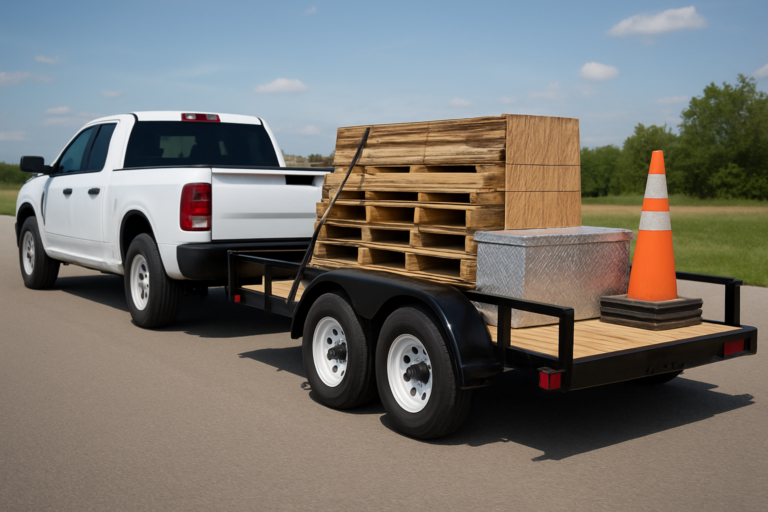
Payload refers to the maximum weight that a trailer can carry, excluding the trailer’s own weight. This includes any cargo, equipment, or additional accessories you load onto the trailer.
Calculating Payload Capacity
To determine your trailer’s payload capacity, use the following formula:
- Payload Capacity = GVWR – Trailer Weight
For instance, if your trailer has a GVWR of 7,000 lbs and weighs 2,000 lbs, your payload capacity would be 5,000 lbs. This means you can safely load up to 5,000 lbs of cargo.
The Importance of Tongue Weight
Tongue weight is the downward force that the trailer exerts on the hitch of the towing vehicle. It’s a critical factor in ensuring safe towing and stability on the road. Ideally, tongue weight should be about 10-15% of the total trailer weight.
Why Tongue Weight Matters
Proper tongue weight affects the following:
- Stability: Too much or too little tongue weight can lead to swaying or fishtailing.
- Braking: An improperly balanced load can affect braking efficiency.
- Tire Wear: Uneven weight distribution can cause premature tire wear on both the trailer and towing vehicle.
Tips for Safe Towing
To ensure a safe towing experience, keep these tips in mind:
- Always check GVWR and payload capacity before loading your trailer.
- Distribute your cargo evenly to maintain proper tongue weight.
- Use a weight distribution hitch if necessary for larger trailers.
- Regularly inspect your trailer for signs of wear and tear.
Building the Right Trailer for Your Needs
Understanding GVWR, payload, and tongue weight is crucial for selecting the right trailer for your needs. If you’re considering a new trailer, you can build a custom trailer that meets your specifications and requirements.
Explore Our Inventory
Looking for a trailer that suits your needs? Browse our in-stock inventory to find a wide range of trailers ready to tow.
By understanding these essential terms, you can make better decisions, ensure safety, and enjoy your towing experience to the fullest!
Ready to move forward? Build your exact trailer with live pricing, or shop in-stock units ready to tow today.